
This week, the head of SBU Vasyl Malyuk resigned, the Russians struck the Lviv region with an intermediate-range ballistic missile "Oreshnik", and also caused blackouts in Kyiv, Dnipropetrovsk and Zaporizhzhia regions.
Babel has compiled the main events of the week so that you can stay up to date with the news.
Resignation of Malyuk
On January 5, the head of the Security Service of Ukraine Vasyl Malyuk reported that he was leaving his post. According to him, he would remain in the SBU system to “implement world-class asymmetric special operations”. Earlier, a source in the President’s Office told Babel that President Volodymyr Zelensky wants Malyuk to focus directly on combat operations.
Yevhen Khmara, head of the Special Operations Center "A", became the acting head of SBU. President Zelensky discussed with Khmara the scaling of the experience of Ukrainian special forces and future operations.
The US seizes three tankers carrying Venezuelan oil
On January 7, the United States seized the Russian oil tanker Marinera (formerly Bella 1), which was linked to Venezuela, after a two-week pursuit. On the same day, the Americans detained the tanker Sophia in the Caribbean Sea. Reuters sources say that the tanker left Venezuelan waters in early January as part of a fleet of ships secretly transporting Venezuelan oil to China. Ukrainian intelligence wrote that the tankers in this fleet were also transporting Russian oil.
On January 9, the US detained the tanker Olina, formerly known as the Minerva M. It flies the flag of East Timor.
The Russian Foreign Ministry stated that the Marinera tanker was carrying Russian citizens, and on December 24 it was granted the right to fly the Russian flag. Ukraineʼs Ambassador to the United States Olha Stefanishyna reported that there were 17 Ukrainian citizens on board.
White House Press Secretary Caroline Levitt said that the United States is investigating the crew of the detained tanker Marinera. They are accused of violating US sanctions against Venezuelan oil, and if necessary, they will be extradited to the United States.
On January 9, the Russian Foreign Ministry reported that US President Donald Trump had decided to release two Russians from the crew of the Marinera tanker.
Blackout in Dnipropetrovsk and Zaporizhzhia regions
On the evening of January 7, a Russian attack caused a massive blackout in Dnipropetrovsk and Zaporizhzhia regions. In the Ukrainian-controlled part of Zaporizhzhia region, electricity was restored in seven hours: it was out from 10:00 PM to 5:00 AM.
On January 8, in Dnipropetrovsk region, heat and water were fully restored, except for part of Kryvyi Rih. On the night of January 10, the regionʼs energy facilities came under fire again. On the evening of January 11, repairmen restored electricity to most residents of the region, and the region is gradually switching to stabilization schedules. At the same time, repair work continues on the left bank of the Dnipro River and in the Dnipro district.
Massive attack and blackout in Kyiv
On the night of January 9, the Russian army attacked critical infrastructure facilities in Ukraine. The occupiers launched 242 strike UAVs and 36 sea- and land-based missiles.
The main focus of the attack was the Kyiv region. Emergency power outages were introduced throughout the city in the capital. According to Prime Minister Yulia Svyrydenko, the Russians targeted district boiler houses. As a result, half of Kyivʼs apartment buildings (almost 6 000) were left without heat, and the city also experienced water supply disruptions.
The next day, the water and heating systems in the capital were shut down. Electric transport was stopped on both banks of Kyiv, and the city authorities launched backup buses. There were also disruptions to the metro.
As of 2:00 PM on January 11, the Deputy Prime Minister Oleksiy Kuleba said that heating had been restored to 85% of high-rise buildings in Kyiv. According to him, all boiler rooms are working, specialists are restarting the systems and removing air from the pipes so that heat can reach the apartments evenly.
DTEK reported that in the Kyiv region, power engineers have restored power to 370 000 homes. 30 000 residents of the Brovary, Bucha, and Fastiv areas are still without power. Emergency power outages continue to operate there.
Attack by "Oreshnik" in the Lviv region
During the attack on the night of January 9, the Russians struck the Lviv region with an “Oreshnik” medium-range ballistic missile. The Russian army launched it from the “Kapustin Yar” test site in the Astrakhan region.
This missile can carry a nuclear charge, equipped with six warheads, each of which can carry submunitions. The last time the Russians attacked the “Pivdenmash” plant in Dnipro with an “Oreshnik” was on November 21, 2024.
Later, SBU showed fragments of the missile. Among the fragments found were guidance and stabilization units, engine parts, orientation mechanisms, and the missileʼs nozzle. SBU explained that these elements are actually key components of the missile complex.
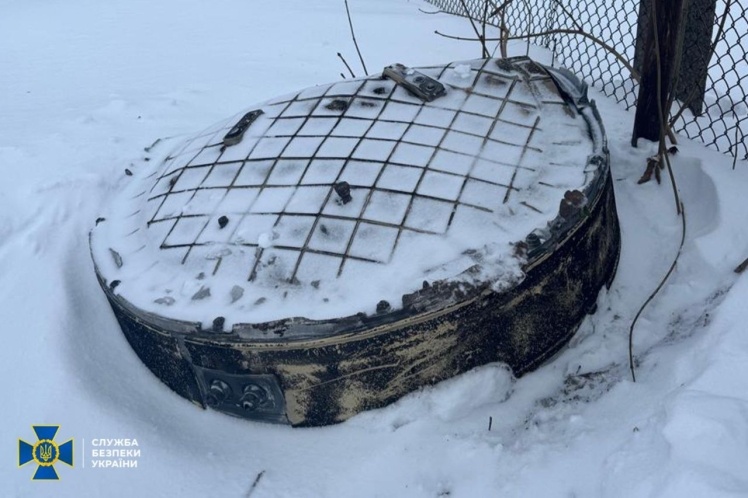
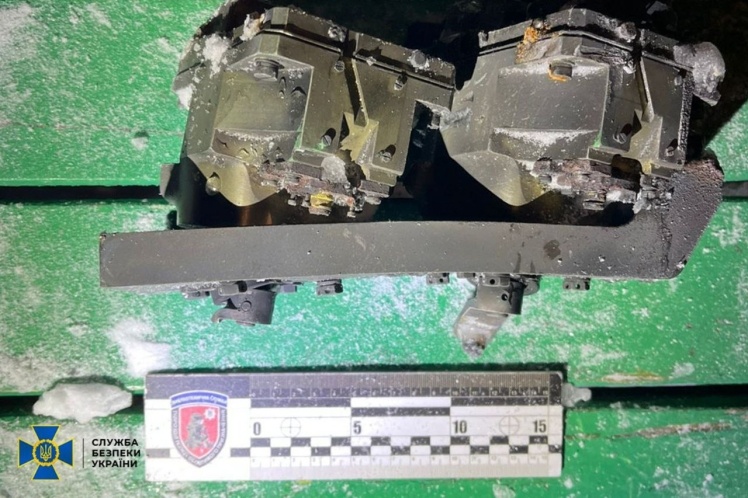

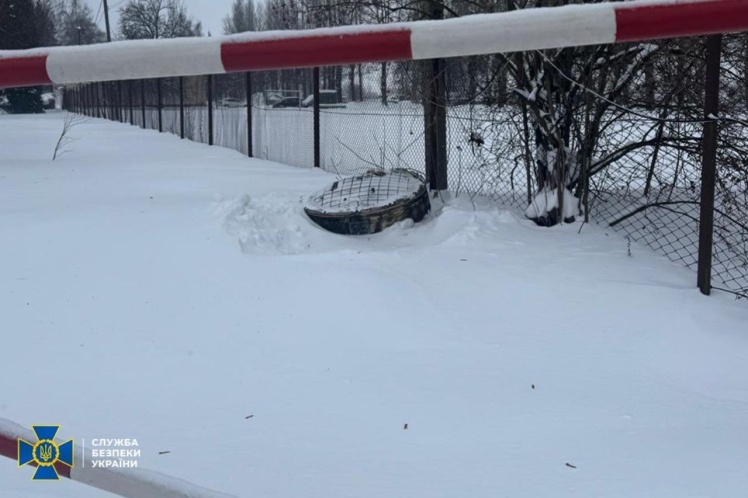
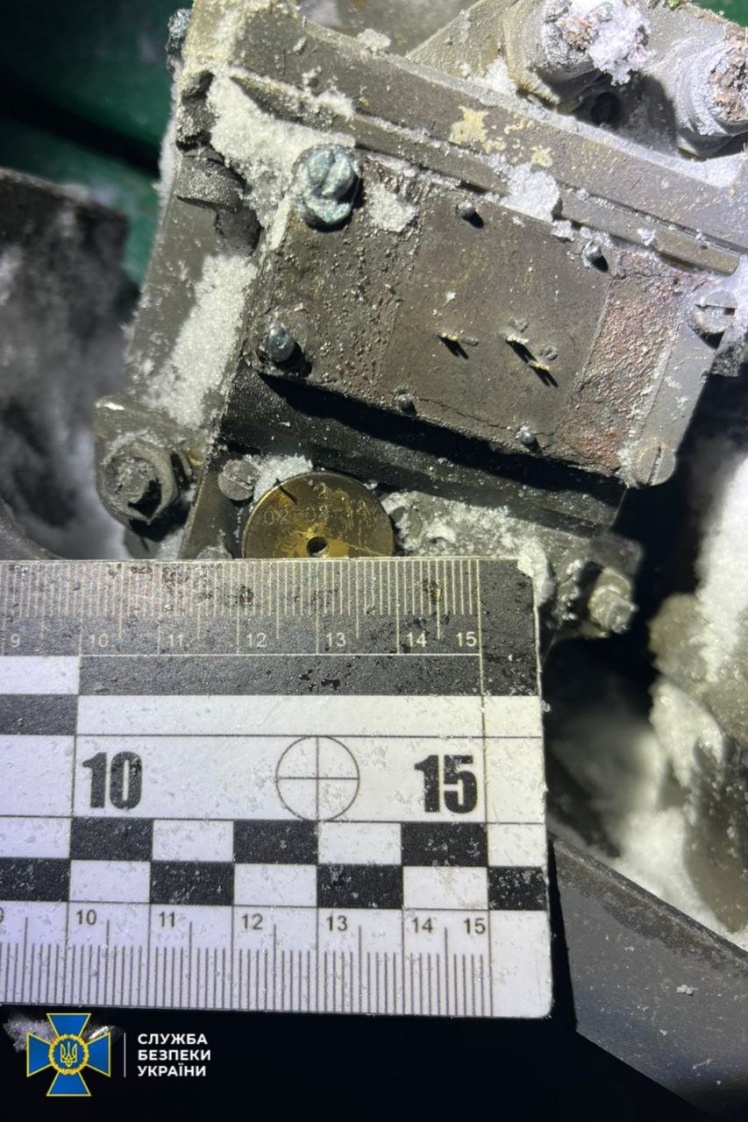
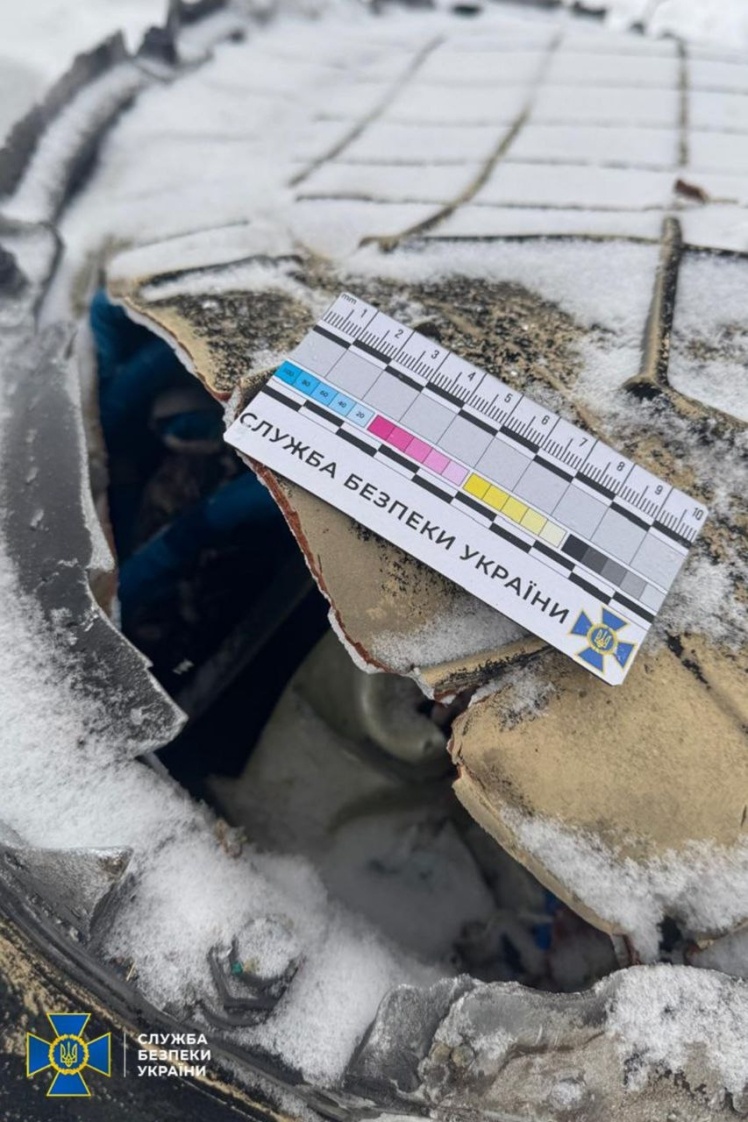
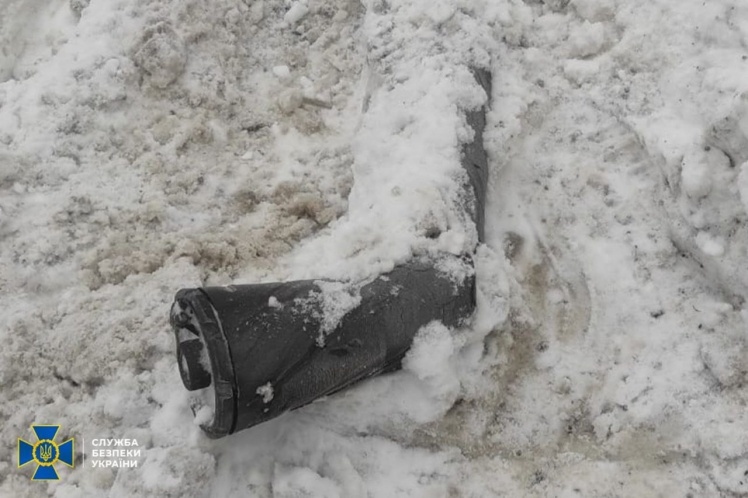
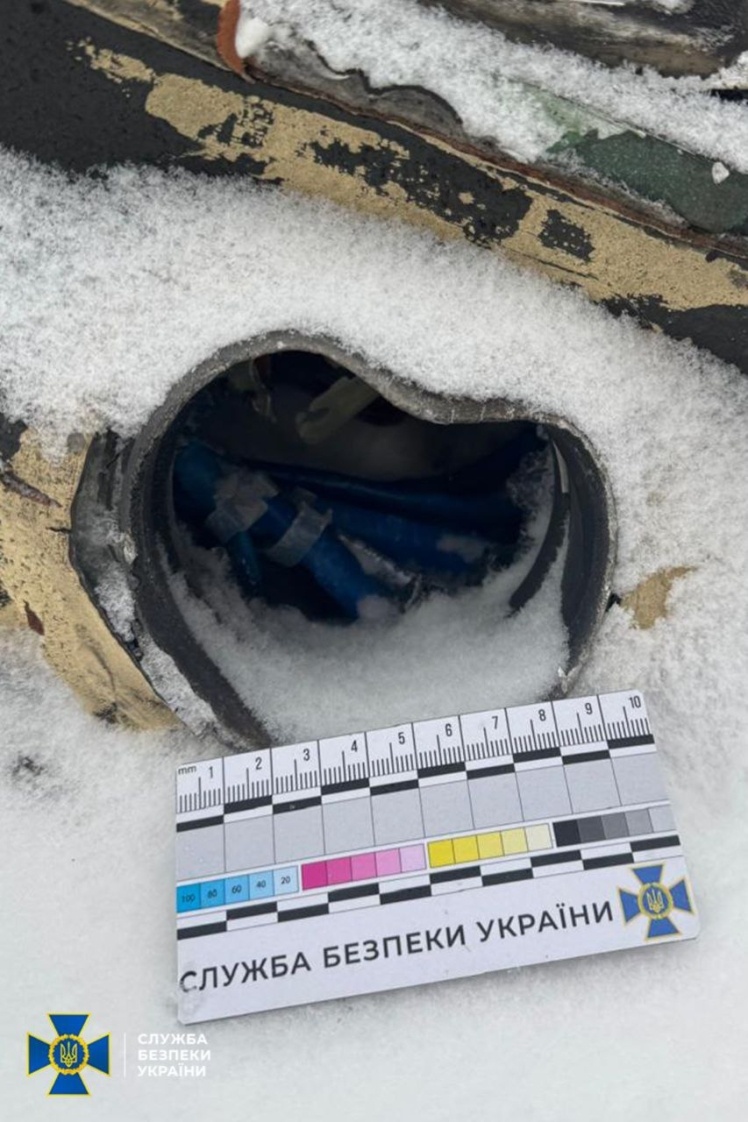
The special service noted that the missile hit civilian infrastructure near the border with Poland. The investigation believes that the Kremlin deliberately tried to damage life-support facilities in the region during a sharp cold snap, and qualifies the strike as a war crime.
For more news and in-depth stories from Ukraine, please follow us on X.